
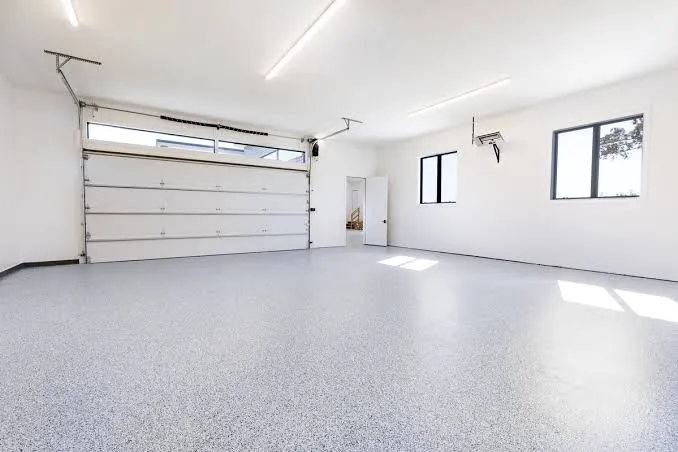
Phoenix homeowners know that summer heat is only part of the challenge of maintaining their properties. Intense sunlight, dust storms, sudden monsoon rainfall, and daily vehicle traffic can all affect exposed concrete. A garage that looks perfectly functional in spring may develop stains, surface dust, or moisture-related problems later in the year. Choosing suitable garage epoxy flooring requires understanding these conditions rather than focusing only on appearance. The goal is to select a protective surface that performs consistently through Arizona’s changing seasons.
Understand What Summer Heat Does
During a Phoenix summer, garage floors face heat carried indoors by vehicles and warm air entering through open doors. Hot tires can place additional stress on certain poorly bonded coatings, sometimes contributing to a problem known as hot tire pickup. Surface preparation and suitable coating materials help reduce this risk. However, temperature also affects installation conditions and curing requirements. Homeowners should discuss seasonal temperatures with their installer and confirm that the selected system is appropriate for vehicle parking throughout the hottest months.
Dust Storms Create Maintenance Challenges
Arizona dust storms can send fine particles into garages through open doors, gaps, and ventilation openings. Once inside, dust settles on vehicles, shelves, and exposed concrete. Rough or deteriorating floors may contribute additional particles as their surfaces wear. A properly sealed finish can reduce dust originating from the concrete itself, although it cannot prevent outdoor dust from entering. Regular sweeping and suitable cleaning methods remain necessary. Keeping door seals in good condition can also help limit the amount of windblown debris collecting indoors.
Monsoon Rainfall Reveals Hidden Weaknesses
Although Phoenix is known for dry weather, summer monsoons can bring sudden heavy rainfall. Water tracked indoors by vehicles may collect around garage entrances, especially where drainage is inadequate. Existing cracks or low spots can make these conditions more troublesome. Before installing a coating, homeowners should examine whether moisture enters from outside or through the slab. These problems require different solutions. A protective finish can make ordinary spills easier to clean, but it cannot correct serious drainage defects or eliminate underlying moisture issues.
Preparation Determines Long-Term Performance
Applying a decorative coating directly over stained or deteriorating concrete can create adhesion problems. Professional preparation commonly involves mechanical diamond grinding to remove weak surface material and establish a suitable bonding profile. Cracks, chips, and previous coatings may also require attention. An experienced concrete coating contractor should evaluate the slab before recommending a finish. Professional installation typically involves grinding, repairs, compatible base materials, and protective topcoats. These stages are important because appearance alone cannot indicate whether a coating will remain securely bonded.
Choose Finishes For Practical Use
Decorative flakes, metallic effects, and solid colors offer different appearances for residential garages. Flake finishes can help disguise minor dirt and tire marks between cleaning sessions, while metallic systems create a more distinctive look for vehicle enthusiasts. Solid colors may suit homeowners who prefer a simpler appearance. The choice should also consider cleaning requirements and how the garage is used. A workshop may benefit from different surface characteristics than a garage dedicated to parking. Samples viewed under actual lighting can make selection easier.
Sunlight Influences Coating Material Choices
Sunlight entering through an open garage door can affect the appearance of certain resin materials over time. Some epoxy products may yellow or discolor under ultraviolet exposure, making protective topcoat selection particularly important. UV-stable polyaspartic topcoats are often used over compatible residential epoxy systems to help protect against discoloration and wear. However, homeowners should not assume every product offers identical resistance. Ask about the complete coating system, manufacturer specifications, and maintenance guidance before deciding which finish suits the property.
Plan Maintenance Around Arizona Seasons
A coated garage floor still needs routine care, particularly after periods of heavy dust or wet weather. Remove abrasive grit regularly to reduce surface scratching, and clean automotive spills promptly with products recommended for the finish. Check entrances for standing water after storms and inspect frequently used parking areas for unusual wear. Avoid dragging heavy metal equipment across the surface without protection. These simple practices can help preserve the coating’s appearance while making seasonal maintenance more manageable for homeowners with busy schedules.
Conclusion
Arizona’s changing weather makes garage protection a year-round consideration rather than a single home improvement project. Heat, airborne dust, rainfall, and vehicle use each create different demands on concrete surfaces. Homeowners can review available installation systems and preparation methods through dialedinepoxy.com, then discuss how their specific garage responds to seasonal conditions. Before making a final decision, photograph any recurring stains, damp patches, or damaged areas throughout the year. Those observations can provide useful evidence when selecting a finish designed for the property’s actual environment.