
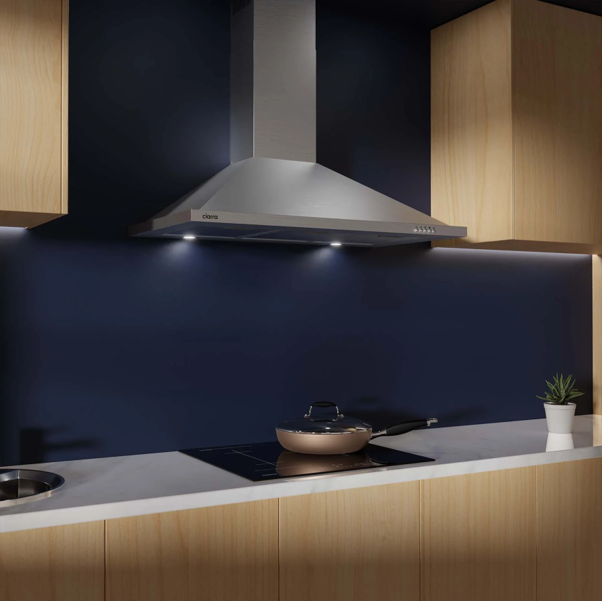
Outdoor cooking has become much more than an occasional summer activity. For many homeowners, it is an enjoyable way to entertain guests, spend time with family, and make the most of their outdoor living areas. From weekend barbecues to elaborate evening meals, an outdoor kitchen brings the comfort of indoor cooking into the fresh air. However, there is one important detail that can easily be overlooked when designing this space: proper ventilation.
An outdoor kitchen range hood plays a major role in keeping the cooking area comfortable, clean, and enjoyable. Grilling, frying, and searing produce smoke, grease, heat, and strong food odors. Without an effective ventilation system, these by-products can linger around the cooking area, settle on nearby surfaces, and make outdoor dining less pleasant. Choosing the right hood can make a noticeable difference to the entire experience.
Why Outdoor Kitchen Ventilation Matters
Cooking outside may seem like it eliminates the need for ventilation, but that is not always the case. Smoke does not simply disappear, especially when an outdoor kitchen is positioned beneath a covered patio, pergola, or enclosed structure. Instead, it can collect overhead, drift toward seating areas, or enter nearby rooms through open doors and windows.
A suitable ventilation system helps capture smoke and cooking fumes before they spread. It also reduces airborne grease particles that can settle on countertops, cabinets, furniture, and decorative surfaces.
Good ventilation becomes particularly important when using high-powered grills. These appliances can generate considerable heat and smoke, especially when cooking fatty meats or preparing meals at high temperatures. An appropriately designed hood helps create a more comfortable environment while protecting the surrounding kitchen space.
Choosing the Right Size for Your Outdoor Range Hood
Size is one of the first things to consider when shopping for an outdoor ventilation system. A hood that is too small may struggle to capture smoke effectively, while an unnecessarily large model could affect the overall appearance of the kitchen.
Ideally, the hood should be at least as wide as the cooking appliance beneath it. A slightly wider design can provide additional coverage, particularly when smoke escapes from the sides of a grill.
Height and installation position are equally important. The hood needs to be installed at a suitable distance above the cooking surface to capture rising smoke without interfering with safe cooking or manufacturer installation requirements.
Before purchasing, measure the grill carefully and consider the available ceiling height. Taking these simple measurements early can prevent expensive installation adjustments later.
Understanding the Importance of Airflow Capacity
Airflow capacity is another major factor when selecting an outdoor range hood. It is commonly measured in cubic feet per minute (CFM), indicating how much air the ventilation system can move.
Outdoor grills often require stronger ventilation than standard indoor cooking appliances because they produce more smoke and heat. However, the correct airflow requirement depends on several factors, including grill size, fuel type, cooking intensity, hood design, and installation conditions.
A powerful motor alone does not guarantee excellent performance. The hood must also have an effective capture area and a properly designed duct system. Poor ductwork, unnecessary bends, and undersized outlets can reduce ventilation efficiency.
For the best results, compare the manufacturer’s recommendations with your grill specifications and consult an experienced installer before choosing a model.
Stainless Steel: A Practical Material for Outdoor Kitchens
Outdoor appliances face conditions that indoor equipment rarely experiences. Temperature changes, humidity, airborne grease, and exposure to the elements can gradually affect their appearance and performance.
This is why stainless steel is a popular material for outdoor kitchen range hoods. It offers a clean, modern appearance while providing good resistance to corrosion when the appropriate grade and finish are selected.
Not all stainless steel is equally suitable for outdoor environments. For areas exposed to moisture or coastal air, higher corrosion resistance may be especially valuable. Grade 304 stainless steel is a commonly considered option because of its durability and resistance to rust.
Regular cleaning is still necessary. Grease, salt, dust, and moisture should not be left on the surface for extended periods. Choosing suitable materials and maintaining them properly can help preserve the hood’s appearance for years.
Ducted vs. Ductless Outdoor Ventilation
Understanding the difference between ducted and ductless systems can help homeowners make a more informed decision.
A ducted range hood moves smoke, heat, and airborne contaminants away from the cooking area through an external ventilation outlet. This arrangement is generally the preferred choice for outdoor kitchens because it removes unwanted air rather than simply filtering and returning it.
Ductless systems work differently. They pass air through filters and release it back into the surrounding space. Although this approach may be useful in certain indoor applications, it is generally less effective for heavy outdoor grilling smoke.
When designing an outdoor cooking space, a properly installed ducted system is usually worth considering. The duct route should be planned carefully to avoid unnecessary restrictions and ensure that exhausted air is discharged safely away from windows, doors, and occupied areas.
Design That Complements Your Outdoor Living Space
An outdoor kitchen should feel like a natural extension of the home. Every appliance, countertop, and finishing detail contributes to its overall appearance.
Fortunately, modern ventilation systems are available in several designs. Wall-mounted models work well against exterior kitchen walls, while island-style hoods can suit cooking stations positioned away from surrounding structures.
Stainless steel finishes are especially popular because they complement grills, refrigerators, sinks, and other outdoor appliances. Their simple appearance also works beautifully with stone countertops, brick walls, wooden cabinetry, and contemporary outdoor furniture.
For homeowners who prefer a more understated look, a hood with clean lines and minimal decorative details can create a balanced appearance without making the cooking station feel crowded.
The key is to choose a design that combines attractive styling with the ventilation capacity required for the grill.
Features Worth Looking for Before Buying
Modern range hoods offer several features that can make outdoor cooking more convenient. However, it is important to focus on practical benefits rather than selecting a model simply because it has the most features.
Here are a few details worth considering:
1. Multiple Fan Speeds
Different cooking methods produce different amounts of smoke. Adjustable fan speeds allow users to increase ventilation when grilling at high temperatures and reduce it during lighter cooking.
2. Effective Grease Filters
Grease filters capture airborne cooking particles before they enter the ventilation system. Removable, washable filters make routine maintenance easier.
3. Weather-Appropriate Construction
Outdoor equipment should be selected according to its exposure conditions. Look for materials, electrical components, and finishes specifically approved by the manufacturer for the intended outdoor installation.
4. Convenient Controls
Easy-to-use switches or touch controls make operating the hood more straightforward, particularly when preparing several dishes at once.
5. Integrated Lighting
Built-in lighting improves visibility over the cooking surface. This can be particularly helpful when preparing evening meals or grilling after sunset.
These features may seem like small details, but together they can make an outdoor kitchen considerably more enjoyable.
Installation Mistakes That Can Affect Performance
Even an excellent ventilation system may disappoint if it is installed incorrectly. One common mistake is choosing a hood based entirely on appearance without checking whether its airflow capacity matches the grill.
Another problem is poor duct planning. Long duct runs, sharp bends, and unsuitable duct sizes can restrict airflow and place additional strain on the ventilation motor.
The surrounding structure also deserves attention. A covered outdoor kitchen needs proper ventilation planning because smoke can accumulate beneath ceilings and sheltered areas. The installation must follow applicable building, fire-safety, and electrical requirements.
It is equally important to consider where exhausted air will go. Ventilation should not direct smoke toward neighboring properties, outdoor seating areas, or openings into the house.
Working with a qualified professional can help avoid these issues and ensure that the equipment is installed according to the manufacturer’s instructions.
Keeping Your Outdoor Range Hood in Excellent Condition
Regular maintenance helps protect the appearance and performance of an outdoor ventilation system. Since outdoor kitchens are exposed to dust, moisture, and changing weather conditions, cleaning should be part of the normal kitchen routine.
Start by cleaning grease filters according to the manufacturer’s recommendations. Accumulated grease can reduce airflow and create an unnecessary maintenance concern.
Wipe stainless steel surfaces with a soft cloth and an appropriate cleaner. Avoid abrasive materials that could scratch the finish. Check the exterior and accessible duct connections periodically for dirt, moisture, or visible damage.
If the hood is installed in an exposed location, consider a suitable protective cover when it is not being used, provided the equipment has cooled completely and the manufacturer’s instructions allow it.
A little regular attention can prevent minor problems from becoming expensive repairs.
Final Thoughts
An outdoor kitchen should be a place where cooking feels effortless and entertaining guests comes naturally. The right ventilation system helps achieve that balance by managing smoke, reducing grease buildup, and making the cooking environment more comfortable. When comparing an outdoor kitchen range hood, pay attention to airflow capacity, construction materials, dimensions, installation requirements, and long-term maintenance rather than focusing on appearance alone. A carefully planned setup can transform an ordinary barbecue station into a practical and stylish outdoor cooking destination. Whether you are upgrading an existing space or planning a completely new kitchen, combining reliable ventilation with quality appliances such as the Ciarra Nosh oven can help create a more versatile cooking environment that brings convenience, performance, and enjoyment together.