
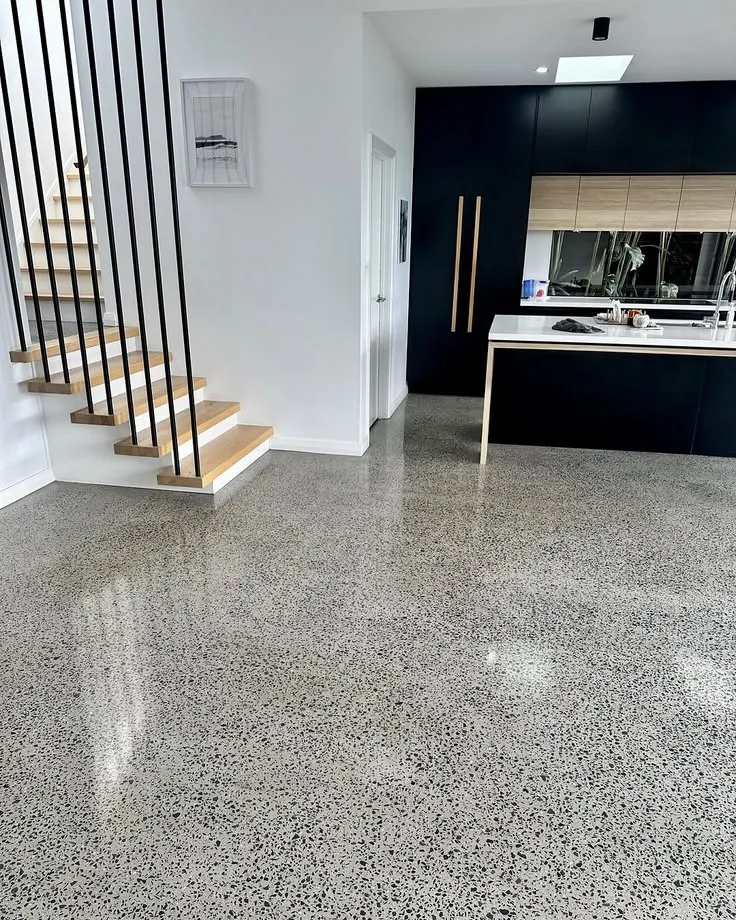
Renovating an older commercial property often reveals materials that deserve a second look. Beneath outdated carpet or worn vinyl, an existing concrete slab may offer the foundation for an attractive interior. Rather than immediately covering it with another material, property owners can explore a grind and seal concrete floor as a practical alternative. This finishing method highlights the concrete’s existing character while adding surface protection. Understanding its limitations, appearance, and maintenance requirements helps businesses make informed renovation decisions without overlooking the value of materials already present.
Finding Opportunity Beneath Existing Floors
Older retail units, restaurants, and converted industrial buildings frequently contain concrete hidden beneath several flooring layers. Removing these coverings can expose interesting variations in color, aggregate, and texture.
However, the underlying slab may also contain adhesive residues, cracks, or marks left by previous installations. These imperfections influence the final appearance and may require additional preparation.
Property owners should arrange an assessment before deciding whether the surface can remain exposed. A small test area may help establish realistic expectations.
The objective is to preserve suitable existing materials without overlooking important structural or moisture-related concerns.
What Makes This Finish Different?
Grind-and-seal flooring involves mechanically preparing concrete before applying a compatible protective sealer. Grinding removes unsuitable surface material and helps create the desired appearance.
The sealing stage protects against certain stains and everyday wear, depending on the selected product.
Unlike mechanically polished concrete, which develops its sheen through progressively finer abrasives, grind-and-seal systems rely on a protective treatment for much of their finished appearance.
Both methods can produce attractive results, but they involve different processes and maintenance requirements.
Understanding that distinction helps property owners choose a treatment appropriate for their expectations.
Matching the Finish to Interior Design
Exposed concrete can complement contemporary retail spaces, neighborhood cafés, offices, and creative studios. Its natural appearance works particularly well alongside timber furniture, metal fixtures, and simple wall finishes.
The final color and texture depend partly on the original slab. Existing stains or repairs may remain visible rather than disappearing completely.
Some businesses appreciate these variations because they reflect the building’s history.
Others prefer a more consistent appearance and may need to consider alternative treatments.
Reviewing actual samples helps prevent disagreements about natural variations after installation.
Decisions That Influence the Final Result
Before beginning work, property managers should consider how the finished space will operate.
Important questions include:
-
Existing condition: Are there cracks, contaminants, or previous coatings?
-
Traffic levels: Will the floor experience regular customers or rolling equipment?
-
Visual preferences: Is a natural industrial appearance suitable?
-
Cleaning methods: Which products will the maintenance team use?
-
Future upkeep: When might resealing or additional maintenance become necessary?
Addressing these points allows businesses to evaluate the complete flooring system instead of choosing based entirely on initial installation cost.
Why Sealer Selection Matters
Professional sealing concrete floors helps protect properly prepared surfaces from many common sources of contamination.
However, different sealers offer different levels of protection. Some are penetrating products, while others form a protective layer over the surface.
The appropriate choice depends on anticipated spills, cleaning products, traffic, and the desired appearance.
A restaurant dining area may have different requirements from a dry retail showroom.
Property owners should ask about chemical compatibility, expected maintenance, and slip resistance before selecting a finish. No sealer makes concrete completely resistant to damage.
Planning Renovations Around Business Operations
Flooring improvements require coordination when tenants are preparing to open or an existing business must remain operational.
Old coverings may need removal before grinding begins. Contractors may also need time to address cracks, damaged joints, or uneven areas.
Dust control is important during mechanical preparation, especially near occupied rooms or merchandise.
Sealers require suitable application conditions and sufficient curing time before the floor returns to normal use.
Clear scheduling helps prevent conflicts with furniture deliveries, decorating work, and other contractors involved in the renovation.
Maintaining the Finished Concrete
Routine cleaning supports both the appearance and performance of a sealed concrete floor. Removing grit reduces unnecessary abrasion, particularly around entrances and heavily used pathways.
Spills should be cleaned promptly with products recommended for the particular sealer.
Maintenance teams should avoid assuming that every chemical cleaner is compatible with the finish.
As traffic gradually affects the surface, periodic assessment may identify areas needing additional treatment.
A realistic maintenance plan is essential because the protective sealer may require renewal over time, depending on use and product specifications.
Conclusion
Existing concrete can become an attractive feature when its condition and intended use support a suitable finishing treatment. Grind-and-seal flooring offers a way to retain the character of an existing slab while improving surface protection and cleaning convenience. Successful projects require realistic design expectations, proper preparation, and ongoing care. Property owners around Cincinnati and Northern Kentucky can explore professional concrete finishing services through kingcustomcoatings.com when considering practical alternatives to conventional floor replacement.