
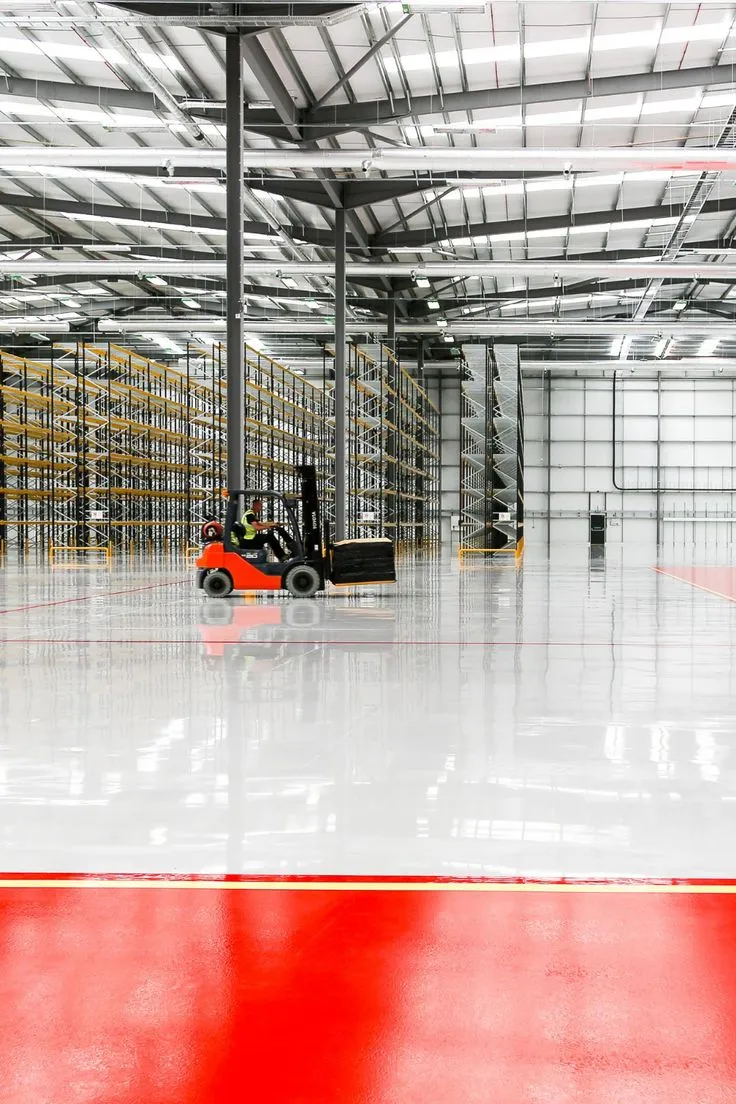
When a distribution center grows, managers usually focus on extra racking, additional forklifts, and faster dispatch schedules. But expansion changes how frequently equipment crosses the concrete floor, especially around joints and loading zones. Planning professional warehouse flooring installation should therefore involve more than selecting a durable finish. The condition of existing joints, wheel traffic patterns, and the timing of repairs can affect everyday operations. Addressing these details before a new storage layout goes live helps managers make practical decisions about floor protection and maintenance.
Understand What Concrete Joints Do
Concrete slabs contain different joints that help manage cracking, construction sequences, or movement. They are not simply gaps to fill with the hardest available material. Some joints need to accommodate movement, while others must provide a suitable crossing for wheeled equipment.
Ask a qualified contractor to identify which joints are present before planning repairs. An unsuitable filler or coating detail can deteriorate as the slab moves. Understanding the intended function reduces the likelihood of repairing the same joint repeatedly.
Track Forklift Routes Before Redesigning
A growing warehouse often shifts stock locations and changes traffic patterns. A previously quiet aisle can become a main route for forklifts carrying heavy pallets. Repeated wheel impacts around joint edges may then cause spalling or uneven transitions.
Walk the proposed routes with equipment operators and note frequent turns, stops, and loading points. Their observations can reveal rough crossings that are easy to miss during a brief inspection. Mark problems on a floor plan before racking changes make access difficult.
Decide When Coatings Are Appropriate
An epoxy flooring system may protect appropriately prepared concrete in selected warehouse zones. However, a coating does not restore structural capacity or eliminate movement in an existing joint. The substrate must be assessed independently from decorative and protective layers.
Product selection should consider wheel loading, abrasion, cleaning chemicals, and expected traffic. Warehouse owners may also compare polished concrete or other industrial systems. The right specification depends on the actual operation, not on a generic promise of toughness.
Create a Prioritized Repair Schedule
Closing every aisle simultaneously may not be realistic. Instead, identify repairs affecting primary loading routes, pedestrian crossings, and equipment stability. Less critical cosmetic work can sometimes be coordinated with later maintenance periods.
A practical planning discussion should cover:
-
Which joints cause forklifts to bounce or slow down.
-
Whether concrete edges are stable enough for repair.
-
How stock and vehicles will be rerouted safely.
-
What preparation and curing restrictions apply.
-
Who will approve reopening each repaired section.
This prevents repair work from becoming an unexpected obstacle to normal dispatch activities.
Account for Concrete Preparation
Dust, oils, previous coatings, and broken material can affect repair adhesion. Mechanical preparation may be needed to remove unsound concrete and create a suitable surface for the specified products. Moisture and temperature conditions can also influence installation.
Ask for a written scope describing how joint edges will be treated and what happens if hidden damage is discovered. A clear specification helps compare quotations and avoids assuming that filling a visible gap completes the work.
Coordinate With Safety and Maintenance Teams
New storage layouts should be reviewed alongside existing pedestrian routes and emergency access. A smooth floor crossing supports movement, but it cannot replace forklift training, appropriate speed limits, or physical separation where required.
Maintenance teams should know which repair materials were installed and how to clean them. Aggressive cleaning methods or incompatible chemicals can shorten the useful life of certain products. Keeping installation records will help when future repairs become necessary.
Inspect the Results After Expansion
Once new racks and equipment are in use, review the busiest crossings again. Unexpected wear can reveal loading patterns that were not obvious during planning. Encourage operators to report new chips, vibration, or changes in wheel movement rather than steering around defects indefinitely.
Photographs and dated inspection notes make it easier to identify recurring problems. Regular checks can also help distinguish isolated damage from a broader issue affecting the slab or operating practices.
Conclusion
Warehouse expansion places new demands on surfaces that may already have years of traffic behind them. Joint assessment, practical repair sequencing, and appropriate coating specifications can support smoother equipment movement and more predictable maintenance. Facility managers should evaluate existing concrete before shifting heavy operations onto new routes. For distribution centers researching concrete joint repair and warehouse flooring around Cincinnati and Northern Kentucky, kingcustomcoatings.com provides information about relevant industrial services. Planning the floor alongside racking and traffic changes can reduce avoidable interruptions when the expanded facility begins operating.