
Key Takeaways
-
Texas weather changes can drive pests indoors, even in well-maintained homes.
-
Seasonal inspections help uncover entry gaps, moisture problems, and hidden activity.
-
Secure food storage, reduce clutter, and make exterior repairs to make homes less inviting to pests.
-
Removing standing water limits mosquito breeding opportunities around the property.
-
Accurate identification, monitoring, and professional assessment help address persistent activity.
Texas weather can change quickly, and those shifts often change where pests look for food, water, and shelter. A sudden appearance of ants in the kitchen, spiders near windows, or rodents in the garage does not automatically mean a home is unclean. Rain, heat, drought, and cooler nights can all push pests toward the stable conditions found inside homes.
For homeowners in Dallas-Fort Worth, Houston, Austin, San Antonio, and surrounding communities, Romney Pest Control provides residential and commercial pest management for common Texas concerns, including insects, rodents, and termites. With technicians serving major Texas metro areas and experience with the region’s changing conditions, the company is a useful local option when seasonal maintenance does not stop recurring pest activity.
Why Texas Weather Shapes Pest Behavior
Warm conditions can increase the visible activity of ants, cockroaches, flies, mosquitoes, and many spiders. Rain can leave water in clogged gutters, containers, low spots, and dense landscaping. On the other hand, long, hot, and dry stretches may draw pests toward irrigated lawns, shaded patios, plumbing areas, and air-conditioned buildings.
Texas winters can also be mild enough for some pests to remain active outdoors. Once temperatures drop, heated homes can still offer dependable warmth, moisture, hiding places, and access to food. The goal is not to eliminate every outdoor insect. It is to make the structure less inviting and spot problems early.
Spring Pest Prevention Tasks
Spring is a practical time to inspect the exterior before warmer weather supports more insect activity. Start with a slow walk around the foundation, roofline, doors, and windows.
-
Check window and door screens for tears, loose frames, and gaps around the edges.
-
Replace worn door sweeps and damaged weatherstripping.
-
Clean gutters and confirm that downspouts direct water away from the foundation.
-
Trim branches, vines, and shrubs so they do not rest against siding, windows, or the roof.
-
Watch for winged insects around windows, doors, light fixtures, and plumbing locations.
-
Inspect firewood, cardboard boxes, mulch, and stored outdoor items before moving them indoors.
Summer Moisture and Food Controls
During a Texas summer, cool or damp spots can become especially attractive places to hide. Check under kitchen and bathroom sinks, around washing machines and water heaters, near outdoor faucets and air-conditioning equipment, and inside garages, sheds, and shaded storage areas. Repair leaks promptly, dry wet surfaces, and improve airflow where practical.
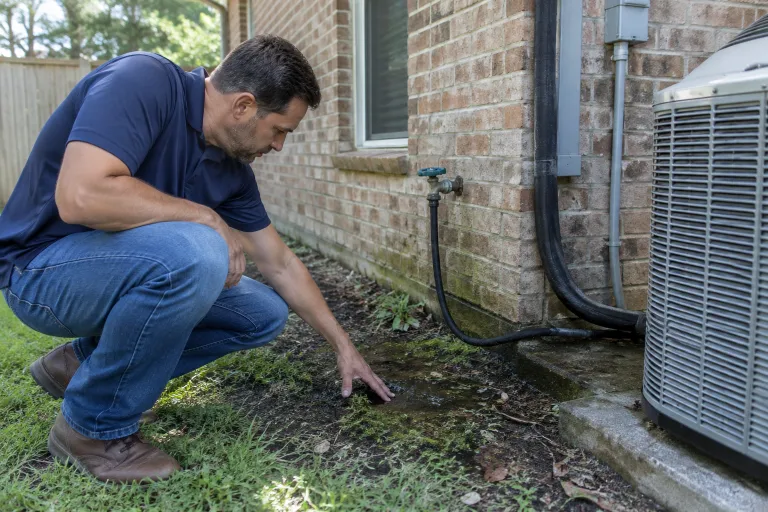
Food management matters indoors and outside. Store pantry goods, pet food, birdseed, and animal feed in sturdy containers with secure lids. Empty indoor trash regularly and keep outdoor trash containers closed. Outdoor lights near doors may draw flying insects toward entry points, so consider using lighting only where needed and keep doors closed when possible.
Fall Entry Checks for Pests
As outdoor conditions become less predictable, pests may search for protected spaces with more stable temperatures. Fall is a good time to inspect for openings around pipes, cables, vents, doors, windows, roof edges, garages, and attic access points.
-
Use suitable caulk or other exclusion materials for small cracks and gaps.
-
Inspect attic vents, crawl spaces, storage rooms, and garage corners.
-
Move firewood, leaf piles, stacked lumber, and yard debris away from the home.
-
Look for droppings, gnaw marks, nesting material, shed insect skins, torn screens, mud tubes, or unfamiliar sounds in walls and ceilings.
-
Keep vegetation from touching the siding or creating a bridge to windows and roof areas.
Winter Does Not Mean Pest Activity Stops
Even when outdoor activity slows, indoor conditions can support rodents, cockroaches, spiders, and stored-product pests. Check quiet, less-traveled spaces such as closets, attics, utility rooms, garages, and storage areas. Reduce cardboard piles, clutter, open food packages, and unused materials that can provide cover.
Before bringing holiday decorations or storage bins into living areas, inspect them for webs, insects, droppings, or damaged packaging. Store seasonal items in closed plastic bins when possible, especially if they are kept in a garage, shed, or attic.
Standing Water and Mosquito Prevention
After rain, irrigation, storms, or flooding, inspect the property for containers and surfaces that hold water. The CDC recommends emptying, scrubbing, turning over, covering, or removing water-holding items regularly to reduce the number of places where mosquitoes can lay eggs.
-
Check buckets, tires, toys, flowerpot saucers, birdbaths, pool covers, and trash containers.
-
Keep rain barrels and other water-storage containers tightly covered.
-
Clear clogged gutters and address low areas that collect water after rain.
-
Repair damaged window and door screens.
-
Follow the product label directions when using a larvicide or outdoor insecticide.
A 20-Minute Seasonal Inspection Routine
-
Walk the perimeter: Review the foundation, siding, doors, windows, vents, and utility lines.
-
Look for moisture: Check gutters, faucets, irrigation zones, shaded soil, and plumbing areas.
-
Search for entry points: Note missing seals, cracked caulk, torn screens, and openings around pipes.
-
Check food sources: Review trash, pet bowls, pantry storage, and outdoor feeders.
-
Reduce shelter: Clear leaves, clutter, firewood, and dense vegetation from the structure.
-
Record patterns: Note where pests appear, when they appear, and recent weather conditions.
Use Integrated Pest Management Instead of Guesswork
A practical approach is integrated pest management, which emphasizes inspection, prevention, monitoring, and carefully selected control methods rather than relying on pesticides alone. Texas homeowners can use integrated pest management guidance from Texas A&M AgriLife Extension to better understand how household pests enter and how conditions around the home can be changed.
-
Inspect: Identify the pest and find the food, water, shelter, or access point involved.
-
Prevent: Seal openings and remove conditions that support pest activity.
-
Monitor: Watch the area after making changes.
-
Act carefully: Read and follow every product label and safety direction.
-
Review: Recheck the area to see whether activity has declined.
When Seasonal Maintenance Is Not Enough
Professional inspection may be appropriate when sightings are repeated, activity occurs in several rooms, or there are signs of damage. Seek help for persistent droppings, gnaw marks, nesting material, mud tubes, discarded wings, unexplained odors, moisture problems, or stinging insects near doors and play areas. Avoid handling unknown insects, nests, or pesticides without proper identification and safety information.
Common Questions From Texas Homeowners
Does rain always increase pest activity?
Not always. Rain can create moisture and standing water, but heavy rainfall can also disturb outdoor nesting areas and temporarily change pest movement. Drainage, temperature, nearby shelter, and the pest involved all affect what homeowners notice.
Can a clean home still have pests?
Yes. Cleaning reduces available food, but pests can still enter through gaps, follow moisture, or arrive in landscaping materials, firewood, deliveries, and stored belongings.
How often should a home be checked?
A quick monthly check is useful, with additional inspections after heavy rain, flooding, extended dry periods, major temperature changes, or landscaping work.
Small Checks Can Prevent Bigger Problems
Texas homeowners do not need to wait for a major infestation to take action. Seasonal inspections, moisture control, secure food storage, sealed entry points, clean gutters, and reduced clutter can make a home less appealing to many pests. A consistent routine also makes it easier to notice warning signs early and decide when expert support is needed.