
Artificial intelligence is transforming how businesses function, create products, and provide services. From generating written content and creating visuals to evaluating information and automating repetitive tasks, AI-based tools will be a regular part of our daily work life. As these technologies continue to improve their capabilities, there are new questions emerging about what the future holds for the role of human creativity in an ever more automated economy.
Rather than diminishing the importance of creativity, AI is really changing how our creative talents are used. Original thinking, an emotional grasp, imagination, and problem-solving abilities remain precious assets that make people and companies truly stand out in a highly competitive marketplace.
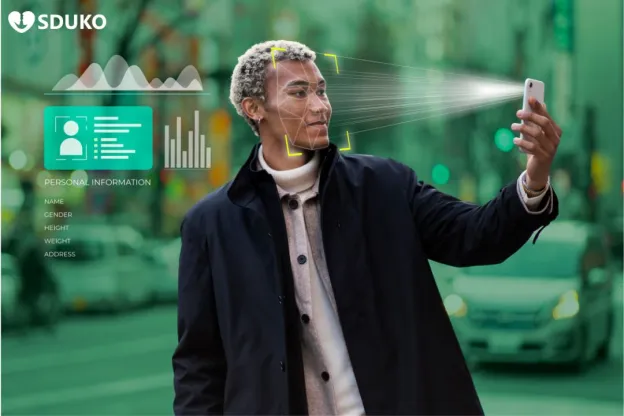
AI Is Changing the Creative Process
Traditional creative work often entails quite an extensive amount of research, experimentation, and numerous revisions. AI tools are now able to back several phases of the process by generating initial ideas, setting out information, suggesting design concepts, and making the first drafts.
Take, for instance, marketing professionals who will be able to make use of AI to look into campaign themes whilst designers experiment with very different visual directions themselves. Thiruvananthapuram call girls working in creative fields can also explore these possibilities, as writers may use these tools to organise their research or construct outlines before creating their final content.
Such assistance can really cut down on the time one spends on those repetitive tasks, allowing professionals to concentrate on perfecting their ideas themselves. Nevertheless, AI-generated suggestions will still need a human assessment so as to guarantee originality, relevance, and overall quality.
Original Thinking Remains a Human Advantage
AI systems will generate their output based on patterns that have been identified within existing data sets. Even though they are able to produce useful combinations and variations, human creativity is based on more than just recognising patterns.
People draw inspiration from their own experiences, cultural influences, feelings, observations and those unexpected findings. Vadodara call girls can also bring unique perspectives through their personal experiences and creative thinking. These elements may well lead to ideas that challenge deeply ingrained conventions or present completely new perspectives themselves.
Within a business environment, that original thinking really helps an organisation come up with unique products, build a memorable company identity and spot opportunities that their competitors are unlikely to see. When automated content becomes ever more prevalent, really distinctive ideas could become truly priceless.
Emotional Intelligence Adds Meaning to Creative Work
Successful creative communication really counts on knowing how people think, feel, and react. When creating an advertising campaign, writing a story, or even making a customer experience, being aware of your own emotions helps you make a connection with your audience.
AI can look at customer feedback and see patterns in consumer behavior itself. But still, interpreting complex human emotions and cultural contexts needs very careful judgment.
Human creativity brings empathy and a real understanding of people to our professional work. These qualities are really essential in industries like entertainment, education, communication, marketing, and product development.
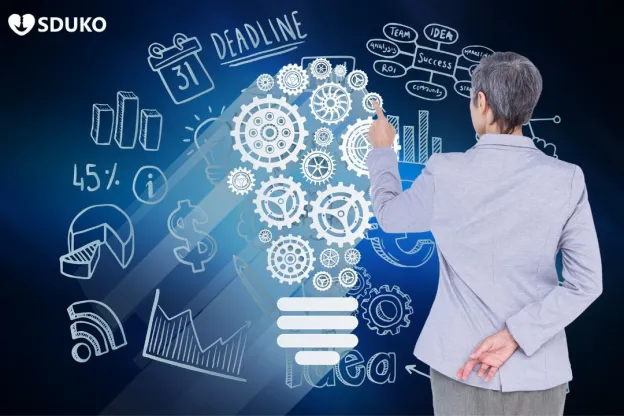
Collaboration Between Humans and AI
The increasing use of artificial intelligence (AI) is promoting a collaborative approach to creative work. Visakhapatnam escorts exploring creative industries can also benefit from this approach. Rather than seeing technology as a complete replacement for human effort, many professionals are utilizing it as an assistant that will support their skills.
Take, for example, a content creator who could use AI to create summaries of research prior to crafting an original article. A product designer may look at AI-generated ideas before making a selection and then refining their final design.
Such collaboration makes the creative process more productive while keeping human input intact. The best results really come from combining what technology can do with the experience of a professional and their critical thinking abilities.
New Skills Are Becoming Important
An AI-driven economy is transforming what employers value in skills. The more you know about technology itself is becoming ever more valuable, but so too are imagination, flexibility, expression, and your ability to make decisions independently.
Professionals will have to know how to really get the best out of AI tools themselves, assess the results they give you and identify those situations where automated suggestions might not be right or even relevant at all.
Improving your creative powers can also be achieved by trying out new ways of doing things and making connections between knowledge from quite different areas – as well as getting better at asking your questions and running experiments with different approaches.
Continuous learning is going to be very essential indeed because the AI tools themselves and what’s expected in the workplace are all changing so fast.
Challenges Around Originality and Responsibility
AI-generated content raises concerns over ownership, authenticity, copyright and accountability itself. Businesses have to ask themselves if generated material is accurate, suitable, and different enough before posting it or using it for commercial purposes.
Overreliance on automated outputs might lead to repetitive ideas and a lack of distinctively creative expression. Therefore, human review is absolutely necessary for keeping quality high and making sure technology is used responsibly.
Conclusion
An economy driven by artificial intelligence is transforming both the creation and application of creativity itself – but isn’t eliminating the requirement for human imagination. Instead it’s making available new opportunities to individuals so they can integrate their unique thoughts with the aid of technology.
While automation is dealing with even more of the routine tasks, human creativity itself will continue to be key to developing really meaningful ideas, understanding your audience and tackling those unknown problems. Those individuals and businesses that strike a balance between the capabilities provided by AI and their own judgement and originality will be far better set up for success within a constantly shifting economic landscape.