
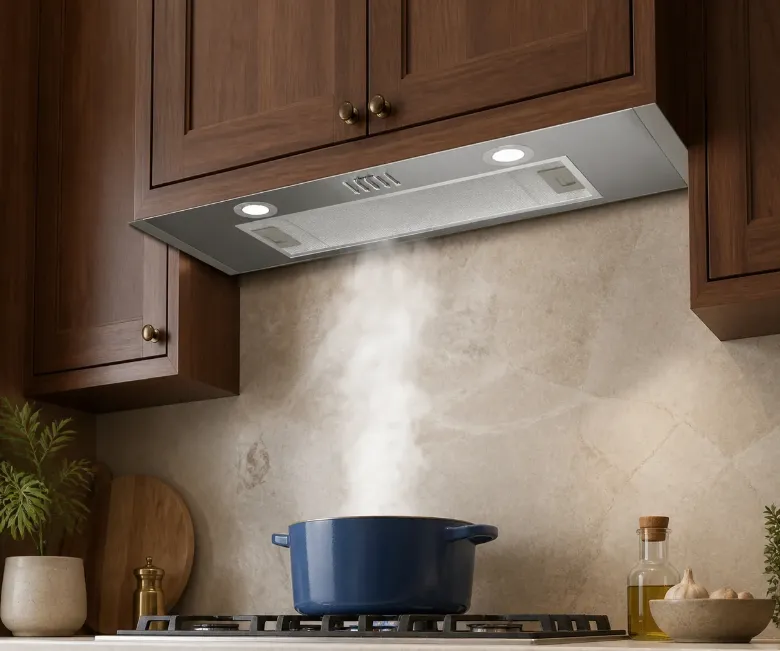
A kitchen should be a place where delicious meals come to life, not a room filled with lingering smoke, unpleasant odors, and greasy air. Whether you enjoy preparing quick weekday dinners or experimenting with ambitious recipes, proper ventilation can make a remarkable difference to your cooking experience. This is where a 600 CFM range hood becomes an attractive option for homeowners seeking powerful performance, everyday convenience, and a cleaner kitchen environment.
With its ability to move a substantial volume of air, this type of ventilation system can help remove cooking fumes, airborne grease, and unwanted odors before they spread throughout your home. Combined with the right design, useful features, and appropriate installation, it can transform an ordinary kitchen into a more comfortable and enjoyable cooking space.
What Is a 600 CFM Range Hood?
CFM stands for cubic feet per minute, a measurement that describes how much air a ventilation system can move in one minute. A hood rated at 600 CFM is designed to move up to 600 cubic feet of air per minute under its rated conditions.
This capacity makes it worth considering for kitchens where cooking produces noticeable amounts of smoke, steam, and grease. It may be particularly useful for people who regularly prepare fried foods, sear meat, stir-fry vegetables, or cook with several burners at once.
However, the CFM rating is only one part of the performance equation. Duct design, installation quality, hood width, filter maintenance, and the distance between the cooking surface and the hood can all influence how effectively the system captures airborne pollutants.
Choosing the right model means looking beyond a single number and considering how you actually use your kitchen.
Why Powerful Kitchen Ventilation Matters
Cooking releases more than delicious aromas. Depending on the ingredients and cooking method, it can also produce fine particles, moisture, grease, and gases that affect indoor air quality.
Without effective ventilation, these airborne substances can spread into nearby living spaces, settle on cabinets, and leave stubborn odors in curtains and upholstery.
A well-designed 600 CFM system can help address these everyday problems by capturing cooking emissions and exhausting them outdoors when properly ducted. This can make the kitchen more pleasant, particularly in open-plan homes where cooking odors might otherwise travel into dining rooms and living areas.
Better ventilation also helps reduce the accumulation of airborne grease around the cooking zone. Although regular cleaning remains essential, effective extraction can make maintaining a fresh-looking kitchen easier.
For households that cook frequently, these benefits can be just as valuable as the hood’s appearance.
Is 600 CFM Enough for Your Kitchen?
The right ventilation capacity depends on your cooktop, cooking habits, and kitchen layout. A 600 CFM model can be a strong option for many everyday cooking situations, but it is not automatically the best choice for every home.
For example, someone who mostly boils pasta, prepares soups, and cooks simple meals may not need maximum extraction power throughout the day. On the other hand, a home cook who frequently sears steaks, prepares spicy dishes, or uses multiple burners may appreciate the additional capacity.
Gas cooktops require particular attention because their ventilation needs can depend on burner output and configuration. Some cooking installations may require higher airflow than 600 CFM, so consult the cooktop manufacturer’s recommendations and applicable local requirements.
It is also important to remember that a hood’s advertised airflow does not guarantee the same performance in every installation. Long ducts, restrictive bends, and undersized ductwork can reduce actual airflow.
Before buying, compare the hood’s specifications with your cooking equipment and the practical limitations of your home.
Important Features to Look For
Not every ventilation system offers the same combination of performance, convenience, and design. Understanding the most useful features can help you make a more confident purchase.
1. Adjustable Fan Speeds
Multiple fan speeds allow you to match ventilation to the task at hand. A lower setting may be sufficient for simmering or light cooking, while a higher setting can help manage heavier smoke and steam.
This flexibility can also make everyday operation more comfortable because the fan does not always need to run at full power.
2. Effective Grease Filters
Grease filters capture airborne grease before it enters the ventilation system. Stainless-steel baffle filters are a popular option because they are durable and generally washable, although the exact cleaning instructions depend on the manufacturer.
Look for filters that are easy to remove and reinstall. Convenient maintenance encourages regular cleaning, helping the hood maintain its performance over time.
3. Bright LED Lighting
Good lighting makes a practical difference when preparing meals. Integrated LED lights illuminate the cooking surface, making it easier to monitor food, check browning, and work safely.
LED lighting is also generally energy-efficient compared with older lighting technologies.
4. Noise Control
Powerful ventilation should not make every cooking session uncomfortable. Check the manufacturer’s noise specifications and compare the sound levels at different fan speeds.
Remember that installation quality, duct restrictions, and the selected operating setting can influence the noise you hear in your kitchen.
5. Convenient Controls
Touch controls, push buttons, and other control systems can make daily use easier. Some models also include timers or automatic shutoff features.
Choose controls that feel intuitive and are simple to clean, especially if you regularly cook with oily ingredients.
Ducted or Ductless: Which Is Better?
One of the most important decisions when selecting a kitchen ventilation system is whether to choose a ducted or ductless configuration.
A ducted hood moves captured air through ductwork and releases it outdoors. When correctly installed, this approach is generally the preferred option for removing cooking pollutants and excess moisture from the home.
A ductless model uses filters, often including activated carbon, to reduce odors before returning air to the kitchen. This can be useful in apartments or other properties where installing an exterior duct is impractical.
However, ductless filtration does not remove indoor air pollutants and moisture from the home in the same way as outdoor exhaust. Carbon filters also require periodic replacement, and not every model supports ductless conversion.
Before purchasing, confirm that the selected hood supports your preferred configuration and that any required conversion kits are compatible.
Choosing the Right Style for Your Kitchen
Performance matters, but appearance should not be overlooked. Modern ventilation systems are available in several designs to complement different kitchen layouts.
Wall-mounted models can create a striking focal point above a range positioned against a wall. Under-cabinet versions are useful when preserving cabinet space is important. Island hoods suit cooking surfaces installed in the center of a kitchen, while insert models can be integrated into custom cabinetry for a more discreet appearance.
Stainless steel remains a popular finish because it pairs well with many appliances and contemporary interiors. Black finishes and streamlined glass designs can also create an elegant, modern look.
When comparing styles, check the hood’s width against the cooking surface. A hood that adequately covers the cooktop is better positioned to capture rising smoke and steam, especially when cooking conditions become demanding.
The goal is to find a design that combines attractive proportions with practical ventilation.
Installation: Getting the Best Performance
Even a powerful hood can disappoint when installed incorrectly. Proper installation is essential for achieving effective airflow and dependable operation.
Start by checking the manufacturer’s recommended mounting height. Installing the hood too high may reduce its ability to capture cooking emissions, while installing it too low can interfere with cooking or violate clearance requirements.
For ducted installations, use the recommended duct diameter and minimize unnecessary bends and restrictions. Confirm that the duct terminates outdoors and that backdraft protection is installed where required.
Another consideration is replacement air. Exhaust systems can create negative pressure in tightly sealed homes, particularly when other exhaust appliances operate simultaneously. In some installations, additional makeup air may be required by local codes or manufacturer specifications.
Professional installation is worthwhile when ductwork, electrical connections, or building requirements are complicated. A qualified installer can help ensure the system operates safely and as intended.
Maintenance Tips for Long-Lasting Performance
Regular maintenance helps protect ventilation performance and keeps your kitchen looking its best.
Clean washable grease filters according to the manufacturer’s instructions. Depending on your cooking frequency, they may need attention every few weeks or more often when preparing greasy meals.
Wipe the exterior with a suitable cleaner and a soft cloth to remove fingerprints, oil, and cooking residue. Avoid abrasive products that could damage the finish.
If your model uses charcoal filters, replace them according to the manufacturer’s recommended schedule. Check the lights, fan controls, and accessible duct connections periodically for signs of wear or problems.
Unusual noises, reduced suction, or persistent cooking odors may indicate clogged filters, duct restrictions, or another maintenance issue. Addressing these problems early can help restore effective operation.
Energy Efficiency and Everyday Comfort
Ventilation performance is not determined by airflow alone. The way a hood is operated also affects energy use and household comfort.
Using a suitable fan speed rather than running the unit at maximum power for every meal can help balance extraction with noise and electricity consumption. Turning on the hood shortly before cooking and allowing it to run briefly afterward may help capture remaining fumes, depending on the cooking method and model.
Efficient lighting and accessible controls can further improve the everyday experience.
For homes with open kitchens, these small details matter. A well-matched ventilation system can help reduce lingering smells and make the space more inviting for family meals, entertaining guests, and daily food preparation.
Conclusion
A 600 CFM range hood can be a smart investment for homeowners who want a fresher kitchen, effective cooking ventilation, and a stylish finishing touch. By comparing airflow, filter design, noise levels, ducting options, and installation requirements, you can find a model that suits your cooking habits and home layout. Prioritize proper sizing and routine maintenance rather than choosing a product based on its power rating alone. With the right features and installation, a quality range hood can help create a cleaner, more comfortable, and more enjoyable kitchen for years to come.