
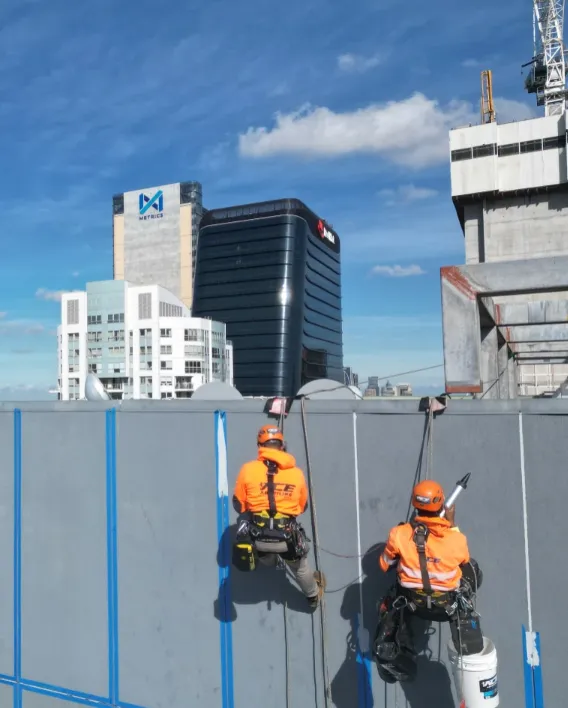
When people think about protecting a commercial building from water damage, they often focus on roofing systems or waterproof membranes. While these are essential, one of the smallest components of a building can have the biggest impact on keeping moisture out caulking.
Sealants are applied around windows, expansion joints, doors, facade panels, and other building connections to prevent water from entering the structure. As these materials age, they lose their flexibility, crack, or separate from the surfaces they protect. Once this happens, even heavy rain can allow moisture to find its way inside.
Investing in professional caulking and sealing Sydney services, combined with timely water leak sealing Sydney building solutions, helps commercial property owners prevent costly repairs and extend the lifespan of their buildings.
Why Sealants Fail Over Time
No sealant lasts forever. Constant exposure to sunlight, rain, wind, pollution, and temperature fluctuations causes sealing materials to expand and contract repeatedly. Eventually, this movement weakens the bond between the sealant and the surrounding surfaces.
Buildings also settle naturally over time. Even slight structural movement can create gaps around windows, facade joints, balconies, and service penetrations, allowing water to enter areas that were previously protected.
Without regular inspections, these failures often go unnoticed until water damage becomes visible inside the building.
The Hidden Cost of Small Gaps
A gap measuring only a few millimetres may seem insignificant, but it can allow surprising amounts of water to enter during heavy rainfall.
Once moisture passes through failed sealants, it can affect multiple building components, including:
-
Internal walls and ceilings.
-
Concrete structures.
-
Steel reinforcement.
-
Electrical services.
-
Floor finishes.
-
Insulation materials.
Because water often travels through concealed cavities, the visible leak may appear far from the actual entry point. This makes early maintenance far more effective than waiting for obvious signs of damage.
Where Commercial Buildings Commonly Experience Sealant Failure
Sealants are used throughout a commercial building, but certain locations experience greater movement and weather exposure than others.
Maintenance inspections typically focus on:
-
Window perimeters.
-
Curtain wall joints.
-
Expansion joints.
-
Balcony connections.
-
Roof penetrations.
-
External doors.
-
Service penetrations through exterior walls.
These areas are subjected to constant movement and environmental stress, making them more likely to require periodic replacement.
Why Simply Filling a Gap Isn’t Always the Solution
Applying new sealant over damaged or deteriorated material may appear to solve the problem temporarily, but it rarely provides a lasting repair.
Professional contractors first identify why the existing sealant failed. They remove deteriorated material, prepare the surface correctly, and select a sealant suitable for the building’s movement, exposure conditions, and construction materials.
This systematic approach ensures the repaired joint continues performing as intended rather than failing again after a short period.
Water Leak Sealing Should Be Part of Preventative Maintenance
Many commercial property owners only arrange water leak sealing Sydney building services after tenants report internal leaks. By then, moisture may already have caused damage behind walls or within structural elements.
A better approach is to include sealant inspections within an annual maintenance schedule. Regular assessments allow ageing joints to be replaced before they fail, reducing the likelihood of emergency repairs.
Preventative maintenance can also help property owners:
-
Reduce long-term repair costs.
-
Protect valuable building materials.
-
Improve weather resistance.
-
Extend the life of facade systems.
-
Minimise disruption to tenants.
Planning maintenance before problems occur is generally far less expensive than repairing widespread water damage.
Choosing the Right Time for Sealant Replacement
There is no fixed timeline for replacing building sealants because their lifespan depends on several factors, including exposure to sunlight, building movement, material quality, and previous maintenance.
However, replacement should be considered whenever inspections identify cracking, shrinkage, separation from adjoining surfaces, or signs of moisture penetration. Waiting until visible leaks develop often means the damage has already spread beyond the failed joint.
Regular inspections provide the information needed to plan replacement work before performance is significantly affected.
Conclusion
Effective waterproofing depends on much more than roofs and drainage systems. Small joints around windows, facades, balconies, and building penetrations play an equally important role in protecting commercial properties from moisture intrusion.
Investing in professional caulking and sealing Sydney services and scheduling regular water leak sealing Sydney building inspections allows property owners to address ageing sealants before they fail. A proactive maintenance strategy helps reduce repair costs, improve building performance, and protect valuable commercial assets from long-term water damage.