
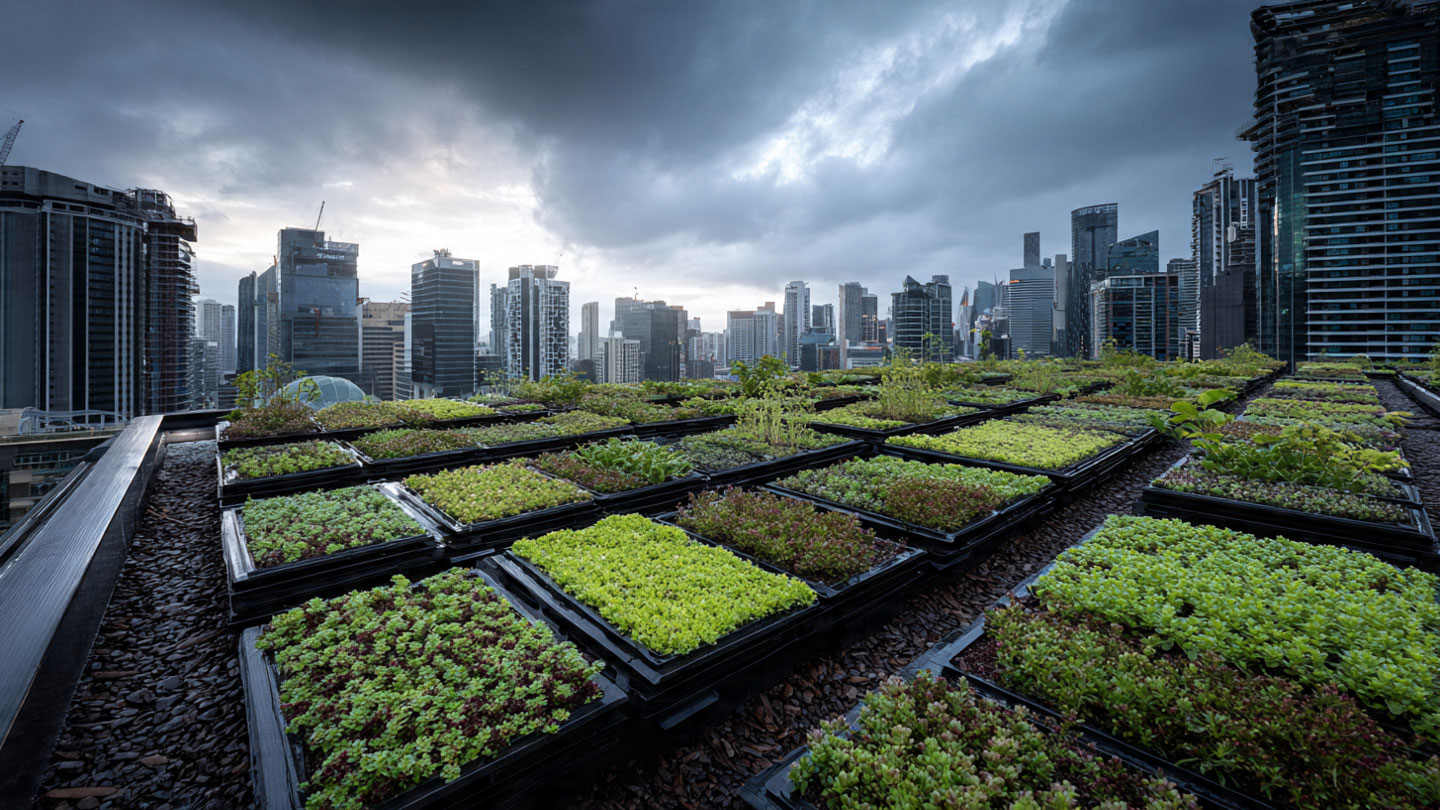
Discover how a Green Roof Tray can transform your rooftop into a sustainable, energy-efficient, and visually stunning green space.
Introduction to Green Roof Tray Systems
Definition and Core Concept
A Green Roof Tray is a modular planting system designed to bring vegetation onto rooftops quickly and efficiently. Each tray acts as a self-contained unit, holding soil, drainage layers, and plants in one compact structure.
This system allows users to create green roofs without the need for complex engineering or heavy construction.
Why Green Roofs Are Trending
Urban areas are becoming hotter and more crowded. As a result, eco-friendly solutions like the Green Roof Tray are gaining popularity. They help reduce heat, improve air quality, and make cities more livable.
How a Green Roof Tray Works
Layer-by-Layer Breakdown
Each Green Roof Tray is carefully designed with multiple layers that support plant growth and protect the building.
Base Protection Layer
Prevents water damage and protects the roof structure.
Drainage System
Allows excess water to flow away, avoiding waterlogging.
Soil Medium
A lightweight growing medium replaces traditional soil, ensuring proper aeration.
Plant Layer
This top layer contains vegetation that thrives in rooftop conditions.
Types of Green Roof Tray Systems
Lightweight Systems
Ideal for residential buildings, these systems use shallow soil and require minimal maintenance.
Deep Soil Systems
Designed for larger plants, these trays support more diverse vegetation but require stronger structural support.
Hybrid Options
These combine both approaches, offering flexibility in design and maintenance.
Key Benefits of Using a Green Roof Tray
Energy Efficiency
A Green Roof Tray acts as insulation, reducing heat transfer and lowering energy bills.
Environmental Protection
It helps:
- Absorb rainwater
- Reduce pollution
- Support wildlife
Visual Appeal
Green roofs add beauty and increase property value, making them attractive for both homes and businesses.
Installation Guide for Green Roof Tray
Pre-Installation Checklist
Before installation, ensure:
- Roof structure is strong enough
- Waterproofing is in place
- Drainage system is functional
Step-by-Step Setup
- Clean and prepare the roof
- Install protective membrane
- Place trays in position
- Secure and align trays
- Add irrigation if required
Maintenance Best Practices
Watering and Fertilizing
Most Green Roof Tray systems require minimal watering. However, during dry periods, irrigation may be necessary.
Seasonal Care
- Spring: Add nutrients
- Summer: Monitor moisture
- Fall: Remove debris
- Winter: Check drainage
Cost Breakdown and ROI
Initial Costs
The cost of a Green Roof Tray depends on size, plant type, and system quality.
Long-Term Value
Benefits include:
- Reduced energy costs
- Extended roof lifespan
- Increased property value
Best Plants for Green Roof Tray
Hardy Plants
- Sedum
- Succulents
- Moss
Decorative Plants
- Wildflowers
- Herbs
- Ornamental grasses
Common Challenges
Weight Load
Not all roofs can support the added weight. A structural assessment is essential.
Weather Conditions
Extreme climates may require special plant selection and irrigation systems.
Green Roof Tray vs Built-In Green Roofs
Key Differences
|
Feature |
Green Roof Tray |
Built-In System |
| Installation | Easy | Complex |
| Flexibility | High | Low |
| Cost | Moderate | High |
Which One to Choose
For most users, a Green Roof Tray is the better option due to its flexibility and ease of use.
Real-Life Applications
Homes
Homeowners use Green Roof Tray systems to create rooftop gardens and improve insulation.
Offices
Businesses install them to enhance sustainability and meet environmental goals.
Future of Green Roof Technology
Smart Irrigation
Automated systems are being developed to optimize water usage.
Solar Integration
Combining solar panels with green roofs increases efficiency and sustainability.
FAQs
1. What is a Green Roof Tray?
A modular system that allows plants to grow on rooftops.
2. Is a Green Roof Tray easy to install?
Yes, most systems are designed for quick installation.
3. How long does it last?
Typically 20–30 years with proper maintenance.
4. Does it require irrigation?
Only in dry conditions or hot climates.
5. Can it be removed or replaced?
Yes, modular trays are flexible and removable.
6. Is it suitable for all buildings?
Only if the structure can support the weight.
Conclusion
A Green Roof Tray is one of the simplest ways to bring sustainability into modern construction. It offers a perfect mix of beauty, efficiency, and environmental responsibility. Whether for residential or commercial use, this system is a smart investment for the future.